Using the information at everyday meals
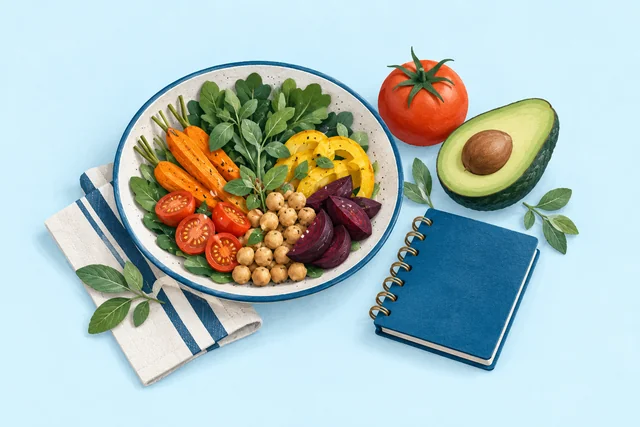
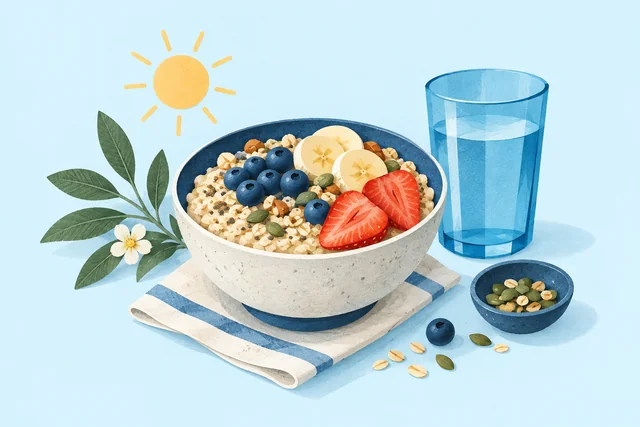
GI and GL are optional tools within a broader eating plan. Start with foods you already enjoy and consider portions, variety, accessibility, and cost. NIDDK describes meal planning approaches that can include fruit, vegetables, whole grains, protein foods, and dairy or suitable alternatives.
- Compare similar foods, such as two breakfast cereals, rather than comparing an entire meal with one ingredient.
- Check the portion you actually eat. A label’s serving size may differ from the amount in your bowl.
- Consider fiber, sodium, and saturated fat alongside carbohydrate information. A favorable GI alone is not a reason to disregard them.
- Keep useful foods in context. Beans and fruit contain carbohydrate and can still belong in a varied eating pattern.
For people with diabetes, medication, activity, illness, and individual needs also affect food planning. A registered dietitian or diabetes educator can help decide whether GI, carbohydrate counting, or a plate-based approach is useful. Discuss major carbohydrate changes with the care team, particularly when using insulin or medicines that can cause low blood glucose. Do not use GI or GL to calculate medication changes.